
Why Privacy Screens Matter for Sunshine Coast Properties
Living on the Sunshine Coast means making the most of our outdoor spaces. But here’s the thing—modern subdivisions aren’t exactly generous with breathing room between houses. My mate Greg lives in Kawana Waters where his neighbour’s kitchen window looks straight onto his back deck. Every time he fires up the barbecue, he gets a running commentary on his cooking technique. Not exactly the relaxing vibe he was going for.
Privacy screens solve problems you might not even realise are holding you back from using your outdoor area. That awkward feeling when neighbours can watch your kids splashing in the pool? Gone. The constant traffic noise from Nicklin Way that makes conversation impossible? Significantly reduced. The eyesore of your neighbour’s shed that you can’t unsee? Blocked from view.
But it’s not just about keeping things out—it’s about what you gain. With proper screening, you create distinct zones in your yard. One client in Mooloolaba turned a narrow side passage into a peaceful reading nook, completely shielded from afternoon wind and curious glances. Another family in Buderim screened their entertaining area and suddenly found themselves hosting friends every weekend, instead of feeling self-conscious about who might be watching.
Privacy screens also add genuine value to your property. Buyers aren’t just looking at square meters anymore—they want livable outdoor spaces that feel private and intentional. A well-designed screen shows that someone has thought about how to actually enjoy the property, not just maintain it.

Types of Privacy Screens That Work on the Sunshine Coast
Not all privacy screens are created equal, and what works brilliantly in one spot might be completely wrong for another. I learned this the hard way when a client wanted the cheapest timber screening for their beachfront property in Alexandra Headland. Twelve months later, the salt air had done its number on it. Live and learn.
Timber Screening
There’s something warm and natural about timber that just feels right in a Queensland backyard. Treated pine or hardwood slats create that classic Aussie look, and they’re perfect for blending with existing timber decks or fences. The catch? You need proper treatment for our coastal conditions, or you’ll be replacing sections within a couple of years. We typically recommend hardwood species like merbau or spotted gum for longevity, especially if you’re within 5km of the coast.
Aluminium and Steel Options
If durability is your priority, powder-coated aluminium screens are worth every cent. They won’t rot, won’t warp in our humidity, and coastal salt barely touches them. One installation we did in Caloundra five years ago still looks brand new—the homeowners just hose it down occasionally. Steel options give you that modern, architectural look, though they’re heavier and need proper engineering for wind loads.
Composite and Synthetic Materials
These are the new kids on the block, and they’re gaining popularity fast. Composite screening combines timber fibres with plastics, giving you the timber look without the maintenance headaches. They cost more upfront, but when you factor in zero painting, zero oiling, and minimal upkeep, the numbers start making sense for busy families.
Design Options to Match Your Property Style
The beauty of privacy screens is that they don’t have to look like, well, barriers. Done right, they become features that actually enhance your home’s character rather than just blocking things out.
Horizontal vs Vertical Slat Orientation
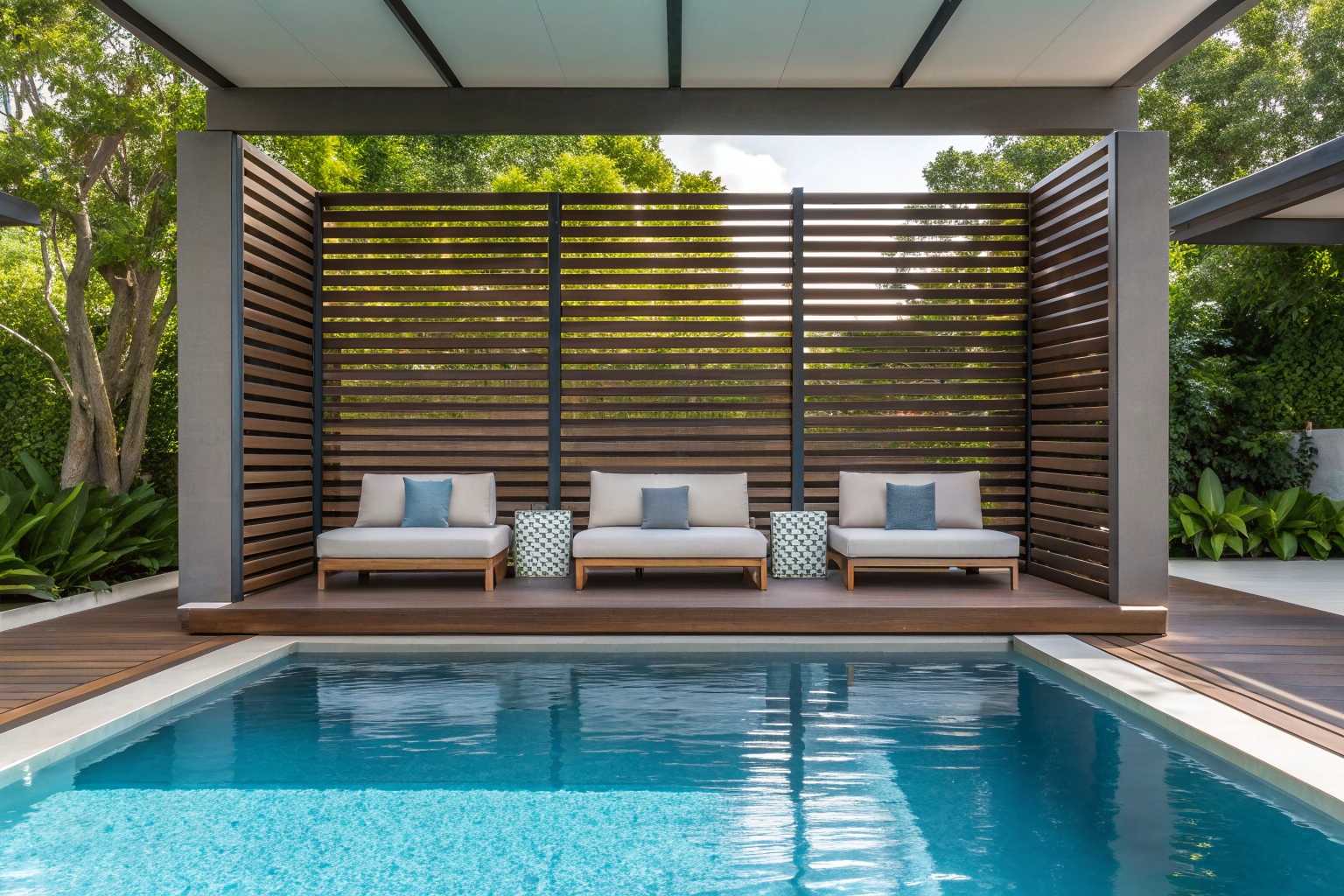
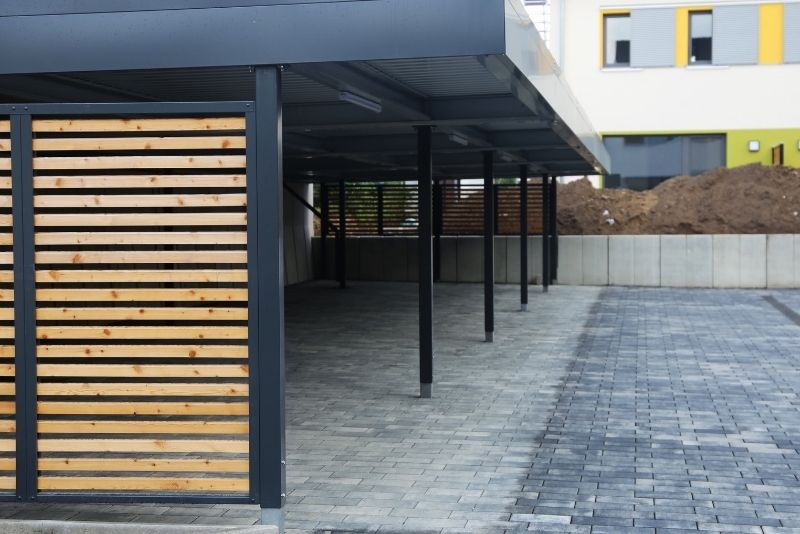
This choice changes everything about how your screen feels. Horizontal slats create a contemporary, streamlined look that makes spaces feel wider—perfect for narrow side passages or compact courtyards. Vertical slats give you height and elegance, which works brilliantly for pool fencing or when you’re trying to match existing vertical cladding on your home. A client in Sippy Downs combined both orientations in their backyard, using horizontal screens near the house and vertical ones around the pool. The contrast created visual interest while maintaining cohesive privacy throughout.
Spacing and Transparency Levels
Here’s where it gets interesting. Tight spacing (20-30mm gaps) gives you maximum privacy and wind protection, but can feel a bit fortress-like if you overdo it. Wider spacing (50-80mm gaps) maintains airflow and light while still obscuring clear views—great for balancing privacy with an open feel. One homeowner in Maroochydore wanted to screen their outdoor shower but didn’t want it feeling claustrophobic. We used varied spacing that blocked sightlines from standing height while allowing breezes through.
Colour and Finish Choices
Matching your screen to your home’s existing palette makes all the difference between “afterthought” and “intentional design.” Natural timber tones work with just about anything, but don’t be afraid of colour. Charcoal and monument grey are hugely popular right now, giving that modern resort feel. Lighter colours like Shale Grey or Surfmist reflect heat better—something to consider for west-facing installations.
Common Applications Around Your Property
Privacy screens aren’t one-trick ponies. Once homeowners see what’s possible, they usually find three or four spots around their property that could benefit from screening. Let me walk you through the most popular applications we handle.
Pool Area Privacy and Compliance
Pool fencing regulations on the Sunshine Coast are strict, but that doesn’t mean your pool barrier has to look institutional. We regularly integrate privacy screening into compliant pool fencing, giving you safety requirements met while creating that resort-style atmosphere everyone wants. A family in Peregian Springs combined their pool fence with privacy screens that blocked their neighbour’s second-story windows. Now their kids can swim without an audience, and the parents can relax poolside in peace.
Balcony and Apartment Solutions
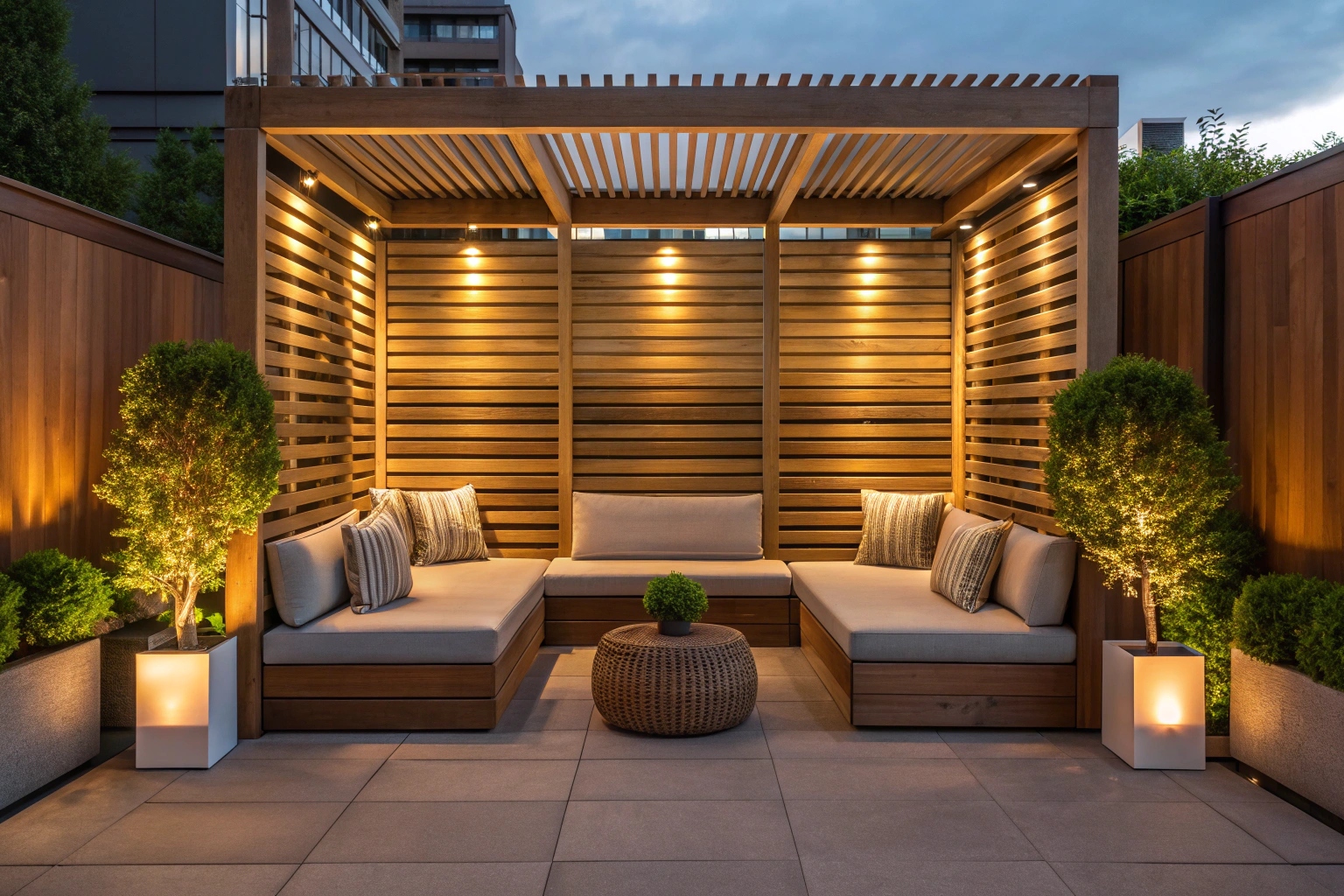
Apartment living doesn’t mean sacrificing privacy. Balcony screens are gaining massive popularity, especially in high-density areas like Cotton Tree and Maroochydore CBD. They’re brilliant for blocking wind that makes balconies unusable, screening ground-floor units from foot traffic, or simply creating a buffer from your next-door neighbour who’s three feet away. Just check your body corporate rules first—most are fine with screening as long as it matches approved colours and doesn’t extend beyond balcony boundaries.
Utility and Equipment Concealment
Air conditioning units, hot water systems, bin storage, pool equipment—necessary, but hardly attractive. Strategic screening transforms these eyesores into non-issues. We designed a louvred screen for a client in Buderim that hides their bins while allowing airflow, and you’d never know those wheelie bins were there. The screen actually became a feature wall they’ve since decorated with potted plants.
Installation Considerations and Council Requirements
Getting your privacy screen installed properly matters just as much as choosing the right design. I’ve seen too many DIY jobs that looked great for six months before posts started leaning or panels warping because corners were cut during installation.
Foundation and Structural Requirements
Our Sunshine Coast soil varies wildly—sandy coastal areas, clay pockets inland, rocky sections in the hinterland. Each needs different footing depths and styles. Coastal properties generally need deeper concrete footings to account for sand movement and wind loads. We always assess your specific soil type before recommending installation methods. A screen that’s not properly anchored becomes a sail in our summer storms, and nobody wants that liability.
Height Restrictions and Council Approvals
Here’s where homeowners often get caught out. Sunshine Coast Regional Council has specific height limits for boundary structures—typically 1.8 meters without approval, though this varies by zone and location. Screens within your property boundaries usually have more flexibility, but anything on or near boundary lines needs careful consideration. Some areas have additional restrictions if you’re near heritage properties or in certain character zones. We handle council applications regularly, so we know exactly what documentation they need and how to present designs for quick approval.
Wind Load Ratings
Don’t underestimate Sunshine Coast wind. We’re in a cyclonic region, and screens need proper engineering to handle our weather. This means correctly sized posts, appropriate fixing methods, and sometimes additional bracing depending on panel size and exposure. A lightweight aluminium screen in an exposed position needs different engineering than a solid timber installation tucked beside your house. We calculate wind loads for every job, because a screen that fails during a storm can cause serious damage to your property or worse, your neighbour’s.
Frequently Asked Questions About Privacy Screens
Prices vary based on materials, size, and complexity, but expect anywhere from $200-$600 per linear meter installed. Timber screening typically sits at the lower end, while premium aluminium or custom designs cost more. A standard 10-meter run might be $3,000-$5,000 including installation. We always provide detailed quotes upfront so there’s no surprises—nobody likes hidden costs appearing halfway through a job.
Most residential privacy screen projects take 1-3 days depending on size and complexity. A simple balcony screen might be done in a day, while a comprehensive backyard installation with multiple sections could take a few days. We’ll give you accurate timeframes during consultation. Weather can affect schedules—we won’t install in heavy rain or extreme wind because it compromises quality.
Depends on your material choice. Aluminium and composite screens need minimal maintenance—just occasional cleaning with water. Timber screens need more attention, typically oiling or staining every 1-2 years to maintain appearance and weather protection. All screens benefit from checking fixings annually and clearing debris from base areas where moisture can accumulate.
Not necessarily. Screen design affects airflow significantly. Louvred or spaced slat designs maintain ventilation while providing privacy. Solid panels block more wind, which is great for exposed areas but might create still pockets in others. We assess your specific situation—prevailing wind direction, existing structures, desired privacy level—and recommend designs that balance privacy with airflow for your comfort.
Timber screens can be repainted or stained whenever you want a refresh, though powder-coated aluminium is permanent. If you’re considering colour changes down the track, timber or composite materials give you more flexibility. Just use quality exterior products designed for our coastal UV exposure.
Ready to Reclaim Your Outdoor Privacy?
Look, I get it. You’ve been putting off doing something about your privacy situation because it feels like another big project to organise. But here’s what happens when you finally take action—you start actually using your outdoor space instead of avoiding it. That deck stops being wasted square meters and becomes your favourite spot for Sunday morning coffee. Your pool area transforms from overlooked fishbowl to private retreat.
We’ve been creating custom privacy solutions for Sunshine Coast properties for years, and we genuinely love seeing how screening transforms how families live. Every property is different, every privacy challenge unique, and cookie-cutter solutions rarely work properly. That’s why we start every project with a proper consultation at your place—walking your property, understanding your specific concerns, and designing screening that solves your actual problems rather than just slapping up generic panels.
Whether you’re dealing with nosy neighbours in a tight subdivision, trying to block traffic noise from busy roads, or just want to create intimate zones in your backyard, we’ll design and install screening that works for your property, your budget, and your lifestyle. All our installations come with proper engineering, council approval handling where needed, and warranties that give you peace of mind.
Stop feeling uncomfortable in your own backyard. Give us a call and let’s chat about how privacy screening can transform your outdoor space. Free consultation, honest advice, and solutions designed specifically for Sunshine Coast conditions. Your private outdoor sanctuary is one conversation away.
Call us today for your free privacy screen consultation and quote.
