
Transform Your Sunshine Coast Pool Area
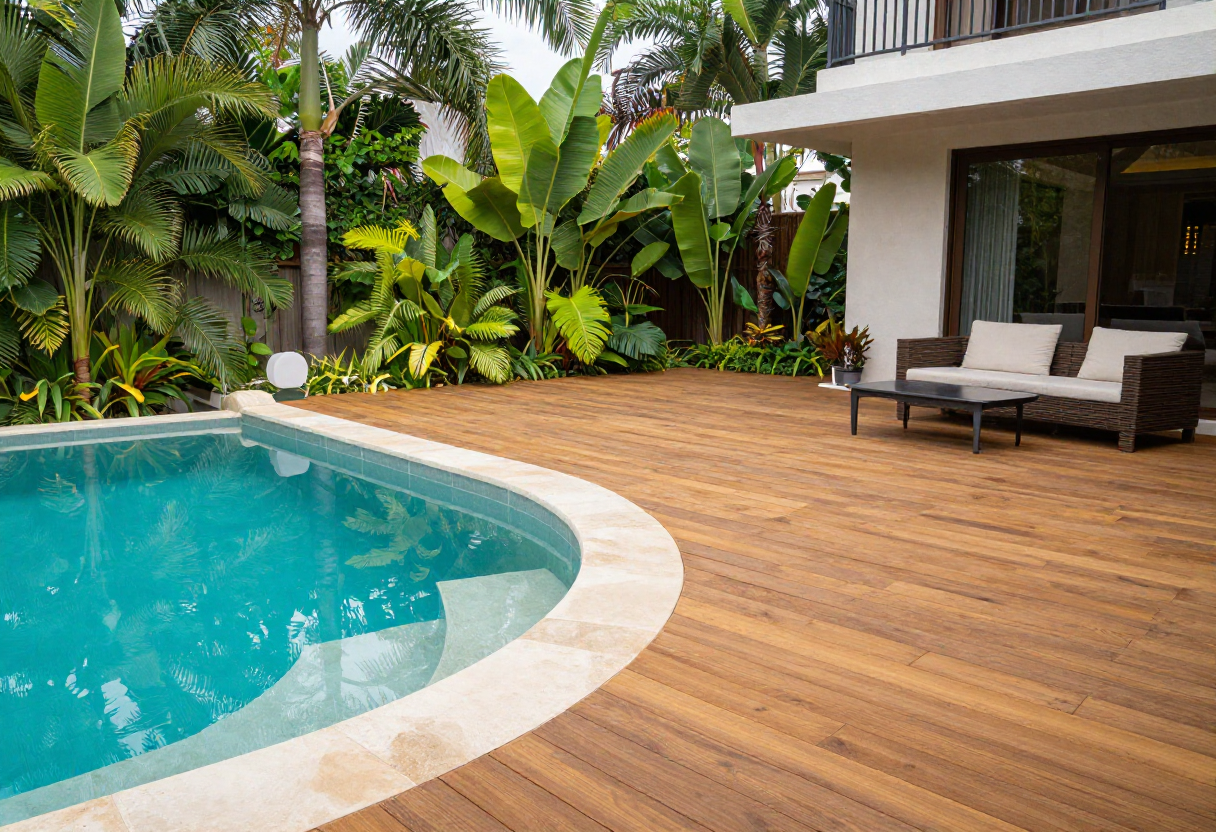
Your pool should be where your family makes memories, not where you hold your breath every time the kids run across wet pavers. We’ve seen it happen too many times here on the Sunshine Coast – beautiful pools surrounded by decking that turns into a skating rink the moment someone splashes out of the water.
Pool decking isn’t just about looks, though we’re not going to lie, a well-done pool surround does make your backyard feel like you’re on permanent holiday. But here’s what really matters: your four-year-old shouldn’t be slipping and cracking their head open because the surface gets slick when wet. Your elderly parents shouldn’t be nervous about getting in and out of the pool when they visit.
We specialize in pool decking that keeps your family safe while creating that resort-style environment you moved to the Sunshine Coast for in the first place.

Why Pool Safety Starts with the Right Decking
Pool Decking Materials That Actually Work in Coastal Queensland
Timber Decking with Pool-Safe Treatments
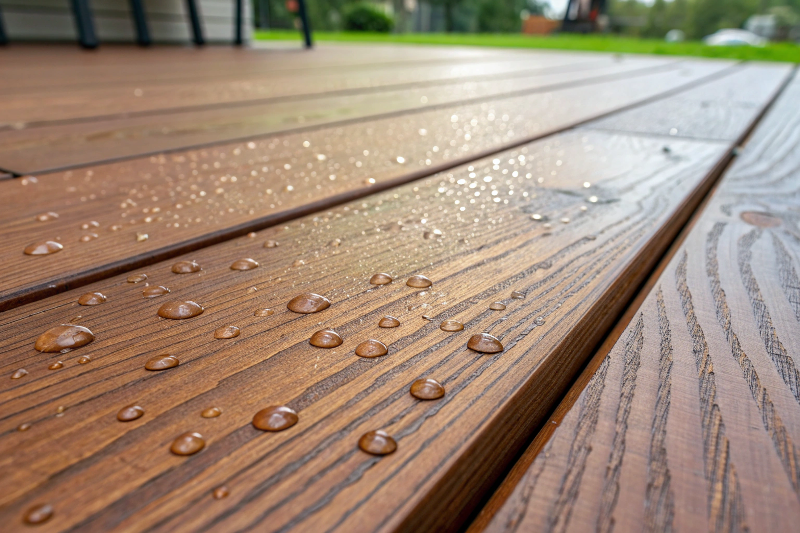
Timber around pools gets a bad reputation, but that’s usually because someone tried to use standard decking timber without proper treatment. Pool-safe timber is a different beast entirely. We’re talking about hardwoods like Merbau or treated pine that’s been specifically processed to handle moisture and chemicals. The grain patterns give natural slip resistance, and properly spaced boards allow water to drain straight through instead of pooling on the surface. You’ll need to commit to annual maintenance, but if you want that natural timber look around your pool, it can be done safely.
Composite Decking for Low-Maintenance Pool Areas
Composite materials are basically the answer to “I want timber looks without timber maintenance.” These engineered boards resist chlorine, don’t splinter, won’t rot, and maintain their slip resistance without annual treatments. They cost more upfront, but when you factor in that you’re not re-oiling them every year or replacing rotted boards, the numbers start making sense. The profiles are designed with texture that stays grippy even when wet, which is the whole point around a pool.
Natural Stone and Concrete Options
Stone pavers give you that high-end resort look, but not all stone is created equal. Smooth limestone? Might as well ice-skate around your pool. Textured bluestone, sandstone with a honed finish, or travertine with proper sealing? Now we’re talking safe surfaces. Concrete can work too, especially with exposed aggregate or textured finishes. We’ve done plenty of stamped concrete pool surrounds that look like stone but come in at a fraction of the cost.
Hybrid Solutions for Optimal Performance
Sometimes the best answer is combining materials. Timber decking for the main entertaining area with stone coping around the pool edge. Composite boards for high-traffic zones with decorative stone accents. Concrete pool surrounds with timber decking leading to outdoor living spaces. Mixing materials lets you put each one where it performs best while creating visual interest in your pool area.
Design Considerations That Make Pool Areas Actually Work
Getting the width right around your pool edges. We typically recommend at least 1.2 meters around the pool perimeter for safe passage, but if you’re planning to add sun lounges or you’ve got kids who love to run laps, you’ll want more like 2-3 meters on at least one side.
Integrating with pool equipment without creating eyesores. Smart pool decking design incorporates removable panels or hidden access hatches that blend with the decking pattern. You need to get to that equipment for maintenance, but it shouldn’t dominate your pool area visually.
Handling different pool shapes and curves. Rectangular pools are straightforward. But if you’ve got a kidney shape, freeform design, or curves anywhere, your decking needs custom cutting to follow those lines properly.
Creating functional zones for different activities. A well-designed pool deck includes zones for lounging, dining, playing, and entry/exit points that all work together without creating bottlenecks.
Meeting Queensland Pool Safety Regulations
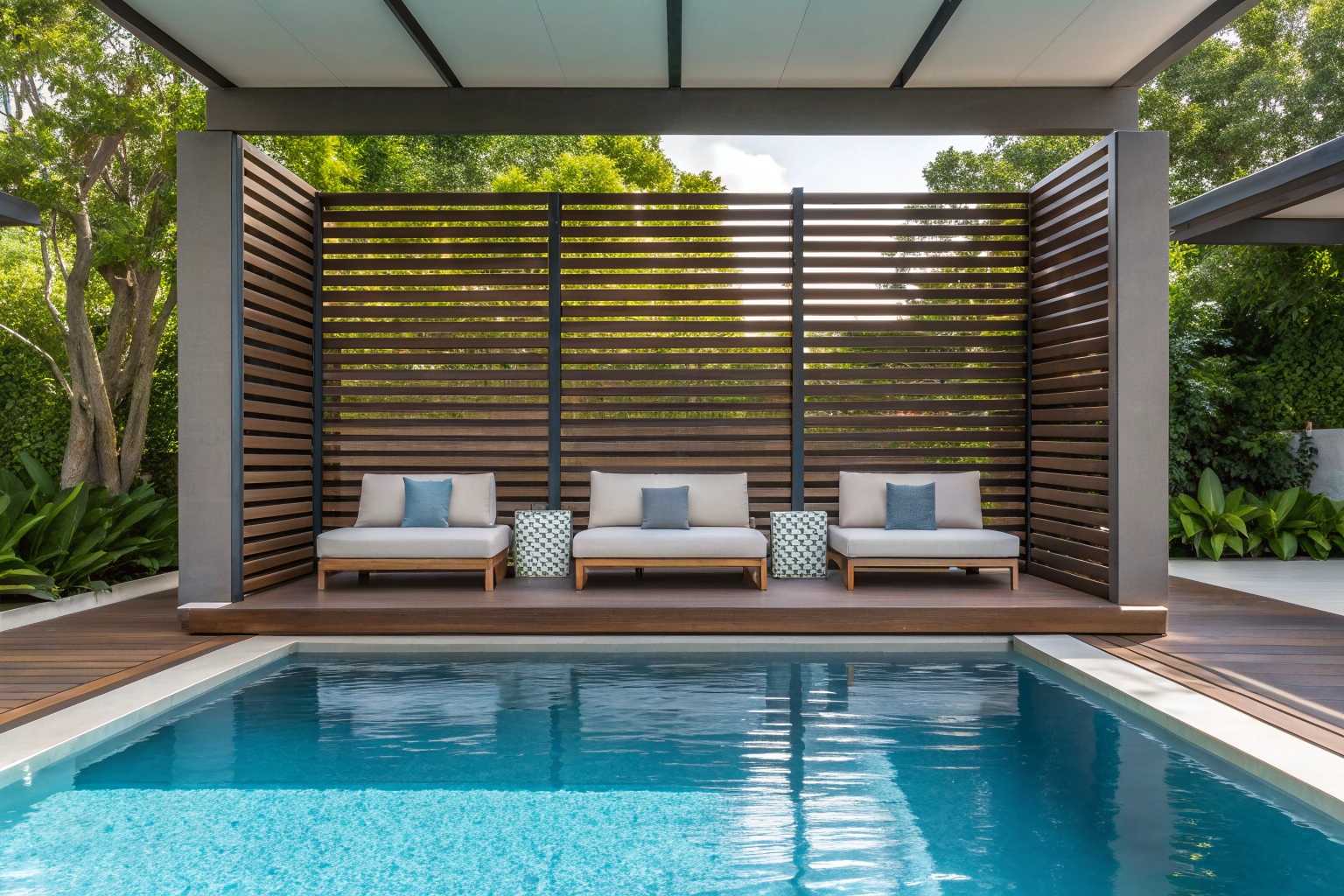
Pool safety legislation in Queensland is strict, and your pool decking plays a role in compliance. The surface needs to allow clear sightlines to the pool from supervision points. Barrier heights can’t be compromised by how your decking meets fencing. Non-slip surfaces aren’t just good practice, they’re part of creating a compliant pool environment.
We work with local pool safety inspectors regularly and know what gets approved and what gets red-flagged. Our pool decking installations consider barrier integration, emergency access requirements, and all the technical details that keep your pool area compliant during inspections.
If you’re renovating an existing pool area, we’ll assess your current setup and identify any compliance issues before they become problems during a safety inspection or when you’re trying to sell your property.
Maintenance Requirements for Different Pool Decking Materials
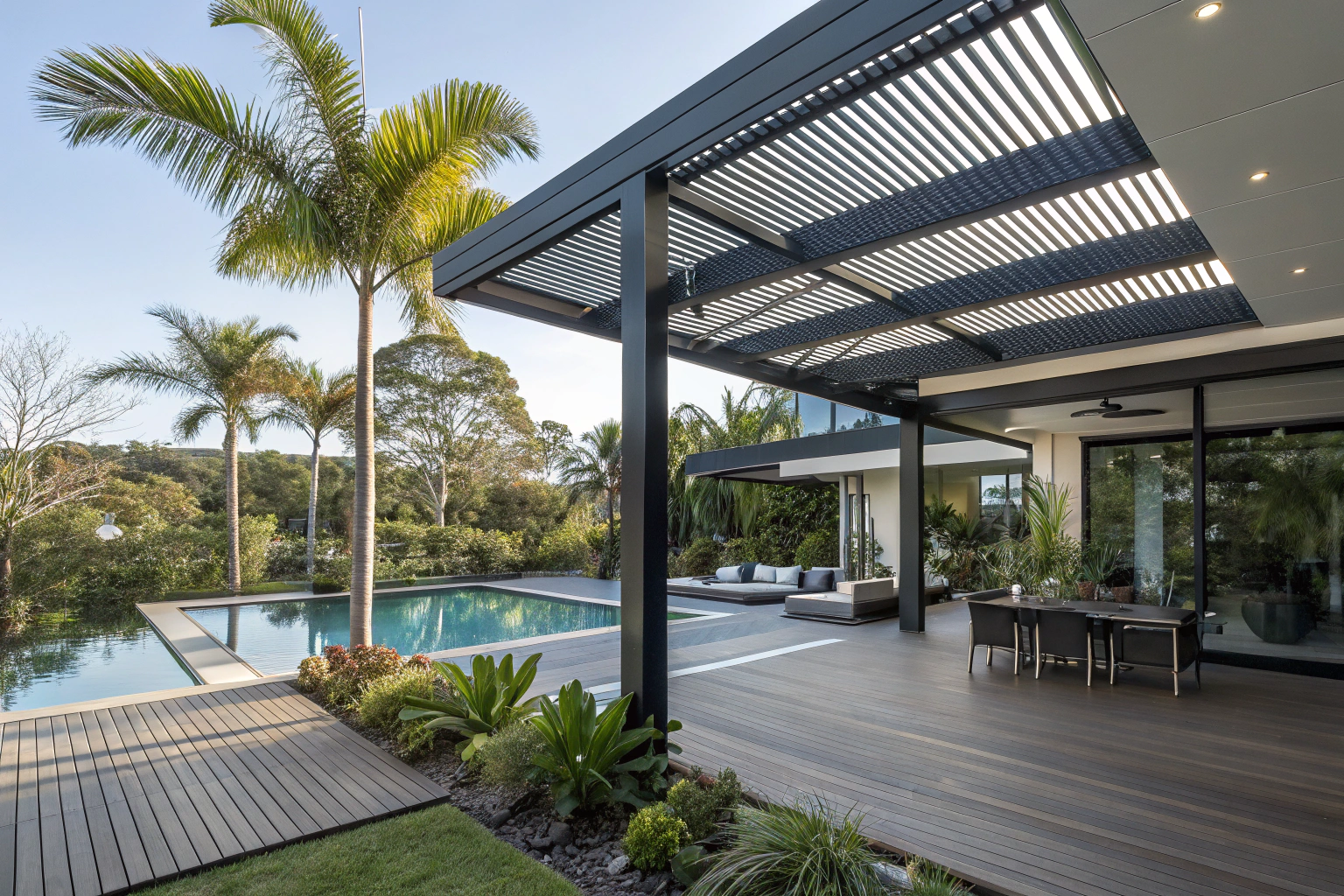
Timber decking maintenance schedules: Annual cleaning and re-oiling keeps timber looking good and maintains slip resistance. You’ll need to watch for splinters, check fasteners, and replace any boards that start showing water damage.
Composite material care: Hosing down and occasional scrubbing with appropriate cleaners is about all you need. Composite doesn’t require sealing or oiling, but you do want to clean up any mold or mildew that develops in shaded areas
Stone and concrete upkeep: Sealed stone needs resealing every few years depending on the sealer used and exposure levels. Concrete may need pressure washing and resealing.
Pool chemical splash protection: No matter what material you choose, regular rinsing helps prevent chemical buildup that can damage surfaces and reduce slip resistance.
Why Choose Us for Your Sunshine Coast Pool Decking
We’ve been building pool surrounds across the Sunshine Coast long enough to know what works in our coastal conditions and what fails within a few years. Salt air, intense UV, sudden storms, and the way locals actually use their pools – all of this shapes how we approach every pool decking project.
Our team holds all required licenses and insurance for pool area construction, and we work with licensed pool builders and safety inspectors to make certain every installation meets regulations. You’re not going to fail a pool safety inspection because your decking wasn’t installed properly.
We provide comprehensive warranties covering both materials and workmanship because we stand behind our installations. If something goes wrong with your pool decking, we’ll make it right.
Free pool safety assessments for existing pool areas help identify compliance issues and safety concerns before they become bigger problems. We’ll walk your property, assess your current setup, and provide honest feedback about what needs addressing.
FAQs About Pool Decking on the Sunshine Coast
Most pool decking projects take 3-5 days from start to finish, but that depends on the size of your pool area and what material you’re using. We can usually work around your pool without draining it, which means your family doesn’t lose a week of swimming during our hot summers. Weather delays happen occasionally – if we get one of those afternoon storms that Sunshine Coast is famous for, we’ll pause rather than rush and compromise quality. I always tell clients to plan for a week from start to finish just to be safe.
Yeah, some materials get absolutely scorching in direct summer sun, especially dark-colored stone and composite. Lighter colors reflect more heat, and timber generally stays cooler than synthetic materials or concrete. If your pool area gets full sun all day, we’ll recommend lighter colored options or materials with heat-reflective technology built in. Honestly though, most families just throw down some outdoor rugs in the hottest spots or wear pool shoes during peak sun hours.
Sometimes yes, sometimes no – depends what you’ve currently got and what condition it’s in. If you’ve got stable concrete in good shape, we can often overlay with pavers or build a raised timber deck over the top. But if your existing surface is cracked, moving, or creating drainage problems, trying to build over it just creates more problems down the track. I’ll always assess what’s there first and give you honest feedback about whether overlay is viable or if removal makes more sense for longevity.
I prefer working in the drier months from April through October when we’re less likely to get interrupted by storms and materials can cure properly. That said, we work year-round because pools don’t stop needing repairs just because it’s wet season. If you’re doing timber or materials that need adhesives and sealers, dry weather definitely helps everything set correctly. Book early if you want it done before the next summer pool season – everyone suddenly remembers their pool area needs work when November rolls around.
Most pool-safe decking materials work fine for pets, but some are definitely better than others. Timber and composite with grooved profiles won’t burn paws like smooth stone can in direct sun, and they provide better grip for dogs getting in and out of the pool. Avoid anything too rough or you’ll see scratches from claws, and make sure whatever surface you choose can handle the occasional accident without staining. My own dog uses our pool deck constantly and the composite we installed has held up perfectly for five years.
Usually not if you’re just replacing existing decking with similar materials in the same footprint. But if you’re expanding your pool area, building raised decking over a certain height, or making changes that affect your pool fence positioning, council approval might be required. Sunshine Coast Council has specific requirements about setbacks from boundaries and how decking interacts with pool safety barriers. We handle the assessment and can manage any approvals needed – I’d rather know upfront than have council show up mid-project with questions.
