
Why Polycarbonate Roof Panels Are Perfect for Sunshine Coast Weather
We know the Sunshine Coast isn’t exactly gentle on outdoor structures. One minute you’re enjoying a perfect sunny day, the next minute there’s a storm rolling in with winds that could knock over your neighbour’s trampoline.
Polycarbonate panels are built for this chaos. They’re about 200 times stronger than glass and virtually impossible to shatter. Remember that hailstorm that came through Maroochydore in 2024? The one that left dents in cars and cracked roof tiles? Properties with polycarbonate panels didn’t have a scratch.
Here’s what makes them work so well in our climate:
Unbreakable Strength These panels can take a serious beating. Hail, falling branches, even a cricket ball from the kids next door – they handle it all without cracking or shattering. That’s peace of mind you can’t put a price on.
UV Protection That Actually Works The Sunshine Coast UV index regularly hits 11+ in summer. That’s extreme by anyone’s standards. Quality polycarbonate panels come with UV coatings that block the harmful rays while letting the good light through. Your outdoor furniture stops fading, and you’re not getting cooked while you’re trying to relax.
Built for Our Wind Loads Coastal wind isn’t a joke. Properly installed polycarbonate panels with the right fastening systems stay put when those 80km/h gusts come through.

Natural Light Without the Harsh Glare
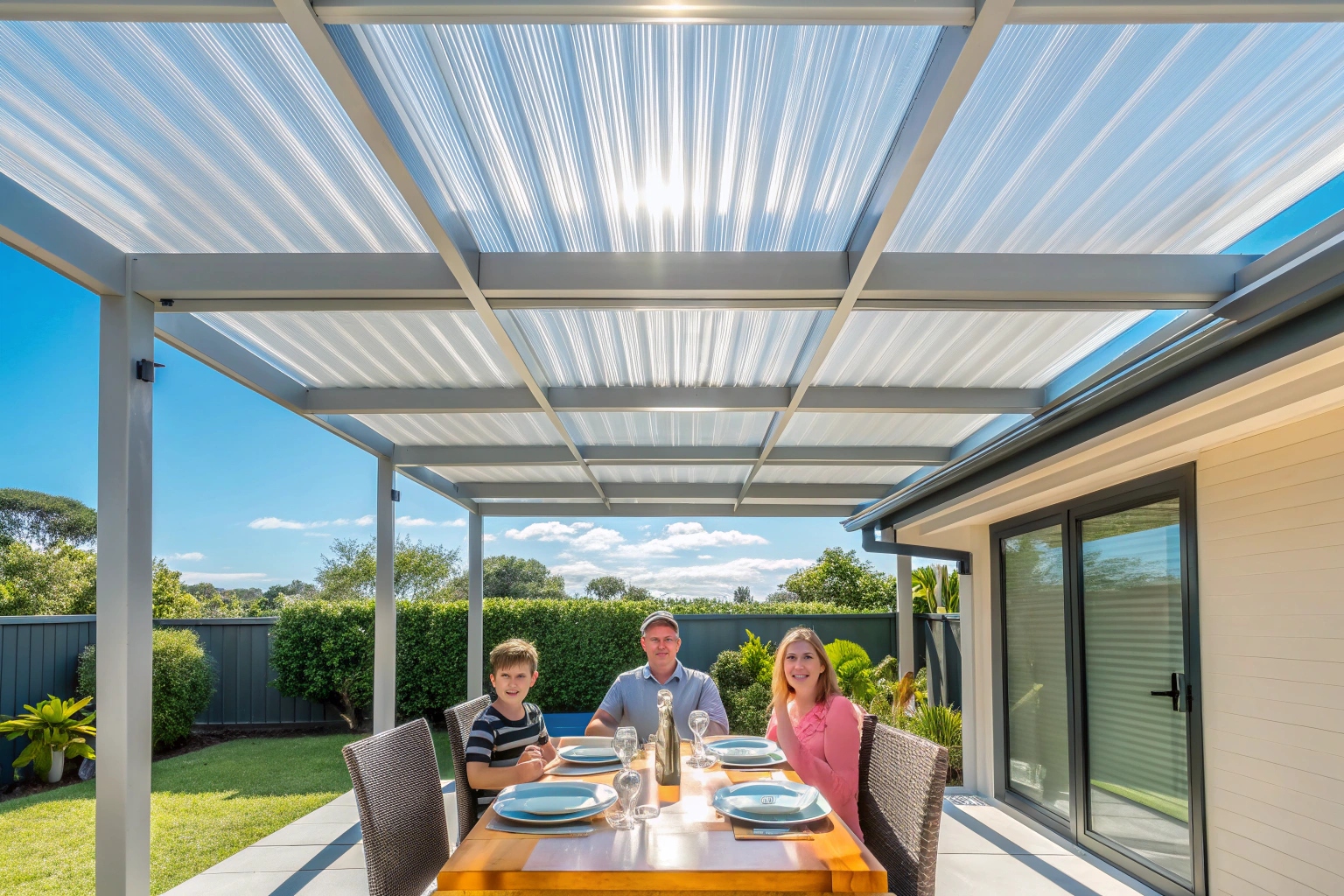
Here’s where polycarbonate panels really shine – literally. You get proper weather protection without turning your outdoor area into a cave.
We had a client in Mooloolaba who’d tried everything. First, she put up a solid Colorbond roof over her patio. Protected from rain? Sure. But the space felt dark and gloomy, even at midday. She ended up turning on lights just to see what she was doing during lunch.
Then she went the other way – installed a shade cloth. Better for light, but useless when it rained. Every time there was a storm, she’d be scrambling to move cushions and furniture inside.
Polycarbonate panels gave her the best of both worlds.
The Light Transmission Sweet Spot Different tint levels let you control exactly how much light comes through. Clear panels give you around 90% light transmission – almost like nothing’s there. Opal or bronze tints knock it down to 40-50%, which is perfect if you’re dealing with western sun in the afternoons.
Diffused, Comfortable Lighting The panels scatter the light rather than creating those harsh, direct rays. You’re not squinting at your phone screen or dealing with glare bouncing off the table. Just nice, even illumination that feels natural.
No More Dark, Enclosed Feeling Your space still feels open and airy. You can see the sky, watch the clouds roll by, keep an eye on the kids in the yard. You’re protected, but you’re not boxed in.
Where Polycarbonate Panels Work Best
The beauty of these panels is how versatile they are. We’ve installed them in all sorts of applications across the Sunshine Coast, and each one solves a different problem.
Pool Areas This is probably our most common install. Pool owners love polycarbonate because you get full weather protection without losing that open-air swimming vibe. The natural light keeps the water sparkling, and you’re not swimming in a dark, enclosed space. Plus, if something does hit the roof – a branch, whatever – there’s no glass shards ending up in the pool.
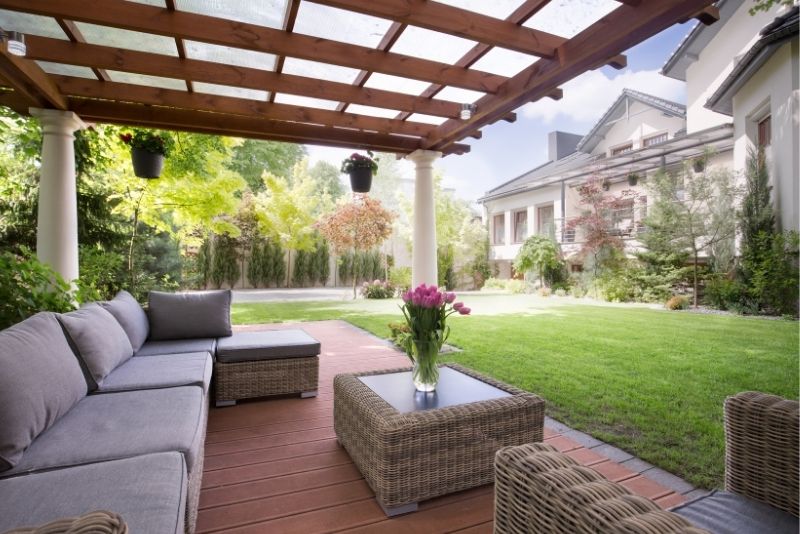
Entertainment Areas and Patios That outdoor entertaining space you use for weekend BBQs? Polycarbonate panels mean you’re not cancelling plans because of weather. Rain forecast? Doesn’t matter. Scorching hot day? You’ve got shade. Your guests stay comfortable, and you’re not herding everyone inside when conditions change.
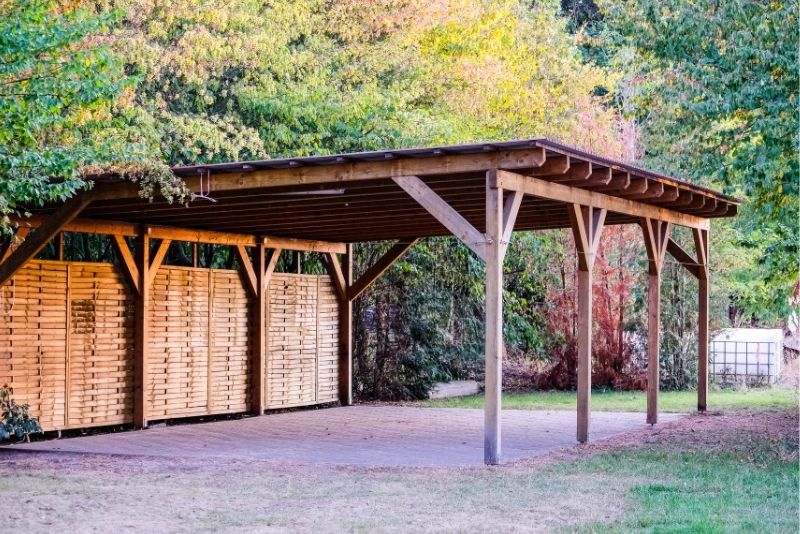
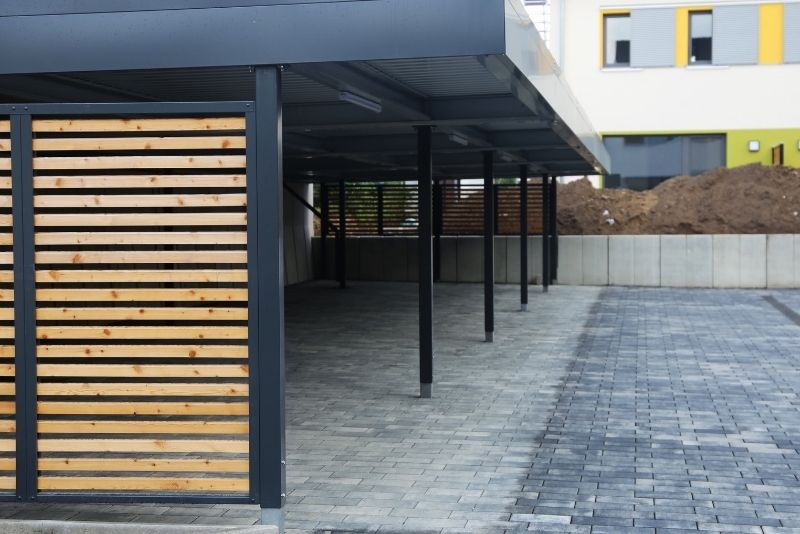
Pergolas and Carports Adding polycarbonate to an existing pergola transforms it from a nice-looking structure to an actually functional one. Same goes for carports – your vehicle gets proper protection from hail and UV damage, but you’re not parking in total darkness trying to find your keys.
Commercial Applications We’ve done walkways, outdoor dining areas, retail entrances – anywhere businesses need weather protection without blocking natural light. Customers appreciate not getting rained on, and the space still feels welcoming and open.
Professional Installation Makes All the Difference
Here’s something most people don’t think about until it’s too late – polycarbonate panels are only as good as the installation. We’ve seen plenty of DIY disasters and dodgy contractor jobs that end up leaking, sagging, or worse.
Thermal Expansion is Real Polycarbonate expands and contracts with temperature changes. On the Sunshine Coast, where morning temps might be 18 degrees and afternoon hits 35, that’s significant movement. If the panels aren’t installed with proper expansion gaps and the right fastening system, they’ll buckle, crack, or pull away from the framework.
We use specific fasteners with rubber seals that allow for this movement while keeping everything watertight. It’s not complicated, but you need to know what you’re doing.
Sealing and Flashing This is where most leaks happen. The edges where panels meet the framework, the overlap points, the connection to existing structures – every single one needs proper flashing and sealing. We’ve been called out to fix so many “professional” installations where water’s running down the inside of the posts because someone skipped the flashing.
Cutting and Fitting Polycarbonate needs to be cut cleanly with the right tools. Use the wrong blade or technique, and you’ll get microfractures that turn into cracks down the track. Complex shapes, angles around posts, fitting around lights or fans – this stuff requires experience.
We’ve been doing this for 15 years across the Sunshine Coast. We know what works and what doesn’t.

Long-Term Performance and Maintenance
One of the best things about polycarbonate panels? They’re pretty low-maintenance once they’re installed properly. But “low-maintenance” doesn’t mean “no maintenance.”
How Long Do They Last? Quality polycarbonate panels with proper UV coating should give you 15-25 years of solid performance on the Sunshine Coast. That UV coating is doing serious work protecting the panels from our harsh sun. Without it, panels can yellow and become brittle in just a few years.
We only use panels with manufacturer warranties that back up these timeframes. If someone’s offering you cheap panels without a decent warranty, there’s a reason they’re cheap.
Keeping Them Clean Polycarbonate panels stay pretty clear on their own, but they’ll collect dust, pollen, and that coastal salt film we all deal with. A hose down every few months keeps them looking good. For stubborn marks, warm soapy water and a soft cloth does the job.
What you don’t want to do is use abrasive cleaners or rough scrubbing pads. You’ll scratch the UV coating, and once that’s compromised, the panel’s lifespan drops dramatically.
Watching for Issues Check your panels after big storms. Look for any loose fasteners, damaged seals, or debris that’s accumulated. Catching small problems early means they don’t turn into expensive repairs later.
The panels themselves are tough as nails. Most issues we see come from poor installation or damage to the framework rather than the panels failing.
Frequently Asked Questions About Polycarbonate Roof Panels
Yeah, they do make some noise – more than a solid roof, less than a tin roof. The twin-wall panels are quieter than solid ones because of that air gap. Most people find it pleasant, like sitting under a pergola. If noise is a concern, we can discuss additional sound-dampening options.
Not if they’ve got proper UV coating. The cheap stuff without UV protection will yellow in 3-5 years. Quality panels with UV coatings on both sides stay clear for decades. We only install panels with manufacturer guarantees against yellowing.
Absolutely. Polycarbonate is virtually unbreakable. We’ve seen panels take direct hits from golf ball-sized hail without damage. That’s why so many pool owners choose them – no risk of shattered material ending up in the water.
Depends on the tint you choose. Clear panels let through about 90% of light. Opal or tinted versions reduce it to 40-50%, which is perfect for western-facing areas. You still get plenty of natural light either way.
Usually yes, especially if you’re adding them to an existing structure or building something new. We handle all the council paperwork and engineering certificates as part of our service. Takes the hassle out of your hands.
Polycarbonate sits in the middle – more than shade cloth, less than solid Colorbond or glass. But you’re getting benefits neither of those options provide.
Ready to Transform Your Outdoor Space?
Look, you’ve probably been putting this off for a while now. Maybe you’ve been living with that outdoor area that’s too hot to use in summer, or watching your furniture fade and weather damage pile up. Every storm season, you’re thinking “I really should do something about this.”
Here’s the thing – it’s not getting any easier to deal with. That next hailstorm, that next 40-degree day, they’re coming whether you’re ready or not.
We’ve helped hundreds of Sunshine Coast homeowners solve this exact problem. From Buderim to Caloundra, Mooloolaba to Maroochydore, we’ve installed polycarbonate panels that are still performing perfectly years later. Natural light, weather protection, unbreakable strength – you get all of it.
What happens next is simple:
Give us a call and we’ll come out to your property for a free assessment. We’ll look at your space, talk about how you actually use it, and work out the best solution for your specific situation. No pressure, no sales pitch – just honest advice from people who’ve been doing this for 15 years.
We’ll handle the council approvals, source quality materials with proper warranties, and install everything to the highest standards. You’ll have a space you can actually use year-round, and you won’t be scrambling to move furniture every time the weather changes.
Call us today and let’s get your outdoor space sorted before the next storm season hits.
