
Turn Your Outdoor Space into a Seamless Extension of Your Home
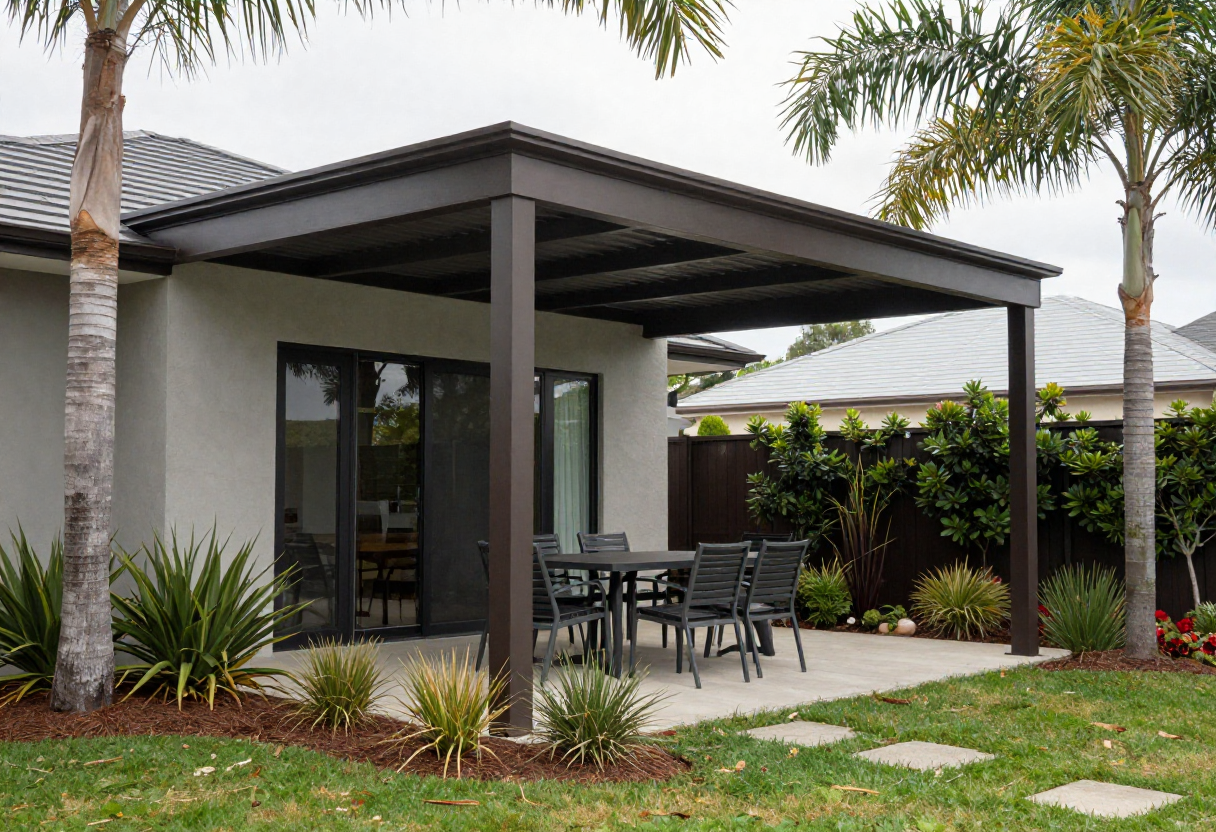
You know that spot right outside your living room or kitchen where you’ve always pictured hosting weekend barbecues and afternoon drinks with mates? The one that gets hammered by the afternoon sun or soaked during those surprise storm roll-ins we get here on the Coast? An attached pergola changes everything about how you use that space. We’re talking about proper architectural integration here – not some bolt-on structure that looks like an afterthought.
Our team specializes in creating attached pergolas across Noosa, Maroochydore, Caloundra, and Buderim that feel like they’ve always been part of your home. We handle the tricky structural work – the ledger board connections, the waterproofing, the load calculations – so you get a covered outdoor area that flows naturally from your indoor living space. Whether you’re extending a Queenslander or adding covered entertaining to a modern build, we’ve done the engineering and design work to get it right the first time.

Seamless Architectural Integration With Your Existing Home
Structural Engineering and Safe Home Attachment
Proper Ledger Board Installation and Wall Connection
This is where most DIY jobs and dodgy contractors fall apart. The ledger board – that’s the horizontal beam that attaches directly to your house wall – carries significant load and needs to be fixed to your wall studs, not just your cladding. We locate the structural frame of your house, use appropriate fixings for your wall type (timber frame, brick veneer, or concrete), and install flashing above the ledger to prevent water getting behind it. Getting this wrong leads to rot, structural failure, and expensive repairs down the track.
Load Distribution and Structural Integrity
Your house wasn’t originally designed to support an attached pergola, so we need to assess whether your existing wall and foundation can handle the additional loads. We calculate the weight of the pergola structure, the roof material, and the extra load from wind and potential debris during storms. For some homes – particularly older Queenslanders or properties with pier and beam foundations – we might need to add additional structural support or modify our design approach. We don’t just bolt things on and hope for the best.
Building Code Compliance for Attached Structures
Attached pergolas fall under different building code requirements than freestanding structures. The connection to your house triggers additional scrutiny around structural adequacy, waterproofing, and fire separation distances. We handle all the engineering calculations and documentation needed for council approval. That includes certified drawings showing connection details, load paths, and compliance with the Queensland Building Code. You won’t get stuck in approval limbo because someone cut corners on the paperwork.
Waterproofing and Flashing Installation
Water damage from poorly attached pergolas ruins more homes than structural failure. We install proper flashing systems above and around the ledger board connection, ensuring water runs away from your house wall rather than behind the cladding. The flashing integrates with your existing wall moisture barrier and ties into your guttering system. We’ve seen too many “experienced builders” skip this step or do it wrong, leading to rotted wall frames and ceiling damage inside the house. Our waterproofing approach prevents those problems.

Professional Installation and Full Compliance
Attached pergolas start with a thorough structural assessment of existing walls and foundations to ensure they can safely support the load, with attachment methods tailored to each construction type. Older homes and modern builds are approached differently to avoid structural issues.
Council approval is managed in full, including site plans, engineering, and permits required for attached structures, ensuring compliance with Sunshine Coast regulations and avoiding approval delays.
Correct fixing methods are used for timber, brick veneer, and concrete walls to prevent damage or failure under load. Installations also account for existing plumbing, electrical services, and drainage, coordinating with current systems so the pergola integrates cleanly without creating future problems.

Design Versatility and Custom Solutions
Why Sunshine Coast Homeowners Choose Our Attached Pergolas
We’ve been designing and installing attached pergolas across the Sunshine Coast long enough to understand what works in our specific climate and what doesn’t. The combination of intense UV exposure, salt air in coastal areas, and severe storm season means attached structures need proper engineering and quality materials – not just a quick fix that looks good initially. Our team handles the complex structural work, manages council approvals, and creates designs that genuinely enhance your home’s architecture and value.
Every attached pergola we build gets the same attention to structural integrity, waterproofing, and architectural integration. We’re not interested in rushing jobs or cutting corners because we know those approaches lead to problems – and we’re the ones who get called back when dodgy installations fail. If you’re ready to extend your Sunshine Coast home’s living space with a properly engineered attached pergola, get in touch for a property assessment and design consultation.
FAQs About Attached Pergolas on the Sunshine Coast
Most attached pergolas we install across Noosa, Maroochydore, and Caloundra run between $15,000 and $35,000 depending on size, materials, and complexity of the attachment work. The price goes up if your home needs structural reinforcement or if you’re after premium materials like aluminum louvres or custom timber finishes. I always tell people the engineering and waterproofing work adds cost compared to freestanding pergolas, but you’re paying for something that won’t damage your house or fail during the next big storm. Get a proper quote based on your specific home rather than going off rough estimates – every attachment situation is different.
You’re looking at 6-10 weeks total in most cases – about 3-4 weeks for council approval and engineering sign-off, then 1-2 weeks for actual construction depending on the size and complexity. That timeline assumes we don’t hit any delays with council or discover structural issues with your home that need addressing first. The Sunshine Coast councils have gotten better with processing times, but heritage homes or properties in certain zones can take longer for approval. Once we start building, most attached pergola installations are completed within a week or two, weather permitting.
I wouldn’t recommend it unless you’ve got proper carpentry and structural engineering experience. The ledger board attachment, waterproofing, and load calculations aren’t DIY-friendly – getting them wrong leads to water damage inside your walls or the whole structure pulling away from your house. Plus, Sunshine Coast councils want to see certified structural drawings for attached pergolas, which means you’d need to pay an engineer anyway. I’ve repaired enough botched DIY and handyman installations to know the “savings” disappear pretty quickly when you’re fixing water damage or structural failures.
A well-designed attached pergola typically adds $20,000-$40,000 to your property value here on the Coast, sometimes more if it creates genuinely usable outdoor entertaining space that flows from the house. Real estate agents tell me buyers specifically look for covered outdoor areas when shopping in our climate – it’s become an expected feature rather than a nice-to-have. The key is getting the design right so it enhances your home’s architecture rather than looking like a cheap add-on. Properties in Noosa and Buderim with quality attached pergolas definitely sell faster and at premium prices compared to homes without covered outdoor spaces.
You’ll want to check the flashing and ledger board connection annually for any signs of water penetration – that’s your main maintenance priority with attached structures. Powder-coated aluminum needs an occasional wash-down with fresh water to remove salt buildup if you’re close to the coast, and timber pergolas need restaining every 3-5 years depending on sun exposure. I also recommend cleaning the gutters where the pergola roof discharges because blocked drainage can cause water to back up against your house wall. Honestly, attached pergolas need less maintenance than freestanding structures because the house connection provides extra stability – you’re mainly watching for water issues.
Autumn and winter (April through September) are your best windows for installation because we get less afternoon storm activity and lower humidity for concrete work and sealant curing. That said, we install attached pergolas year-round – we just need to work around weather when building during summer storm season. If you’re planning a specific event or want it ready for summer entertaining, get the design and approval process started in winter so construction can wrap up before the holiday season hits. The approval timeline matters more than construction timing, so starting early gives you more flexibility regardless of when you actually want to build.
